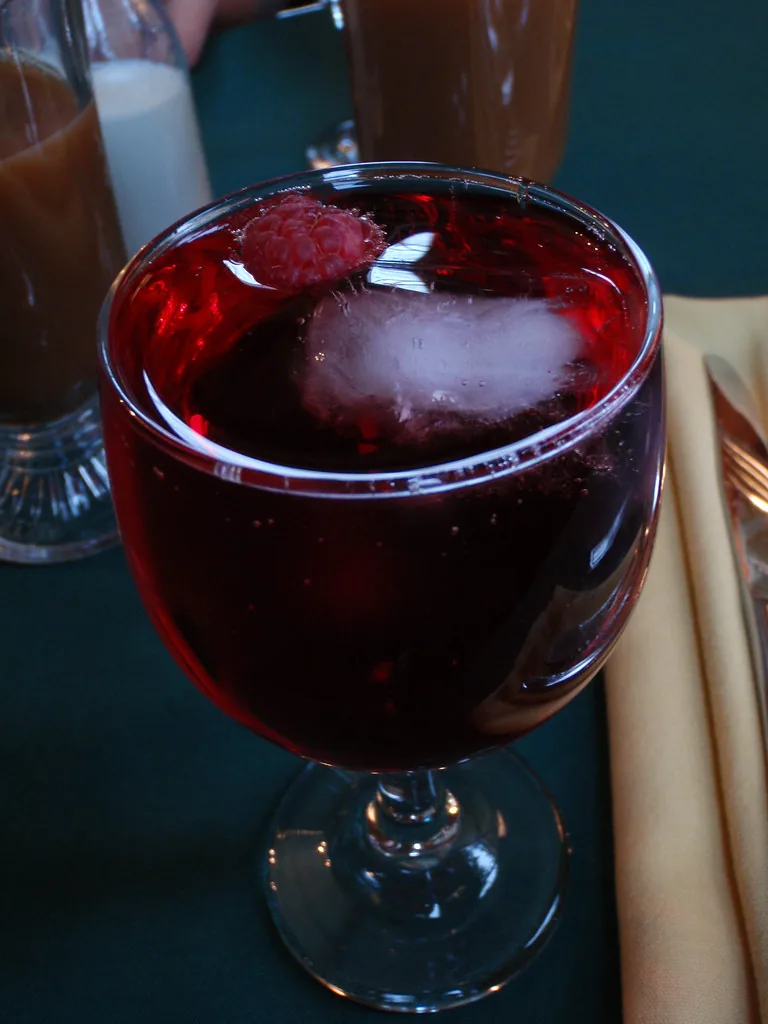
Quick Cranberry Mimosa
Sparkling cranberry mimosas with champagne and orange, poured ruby-red for Christmas brunch.
Updated: Oct 6, 2026
Why you'll like it
- Ready in about 10 min.
- Serves 6 — easy to halve or double.
- Easy level — everyday equipment only.
- Storage, freezing and reheating covered below.
Quick Cranberry Mimosa takes about 10 min and serves 6. Cranberry mimosas are ruby-red Christmas brunch cocktails across the USA, pairing chilled champagne with tart cranberry juice and a splash of orange for balance.
Helpful guides
Instructions
Chill the champagne, both juices, and six flutes in the refrigerator for at least 2 hours until thoroughly cold. Cold ingredients protect the bubbles that define a mimosa. Warm glasses or juice flatten sparkling wine within seconds, leaving a dull sweet drink instead of a lively one.
Stir the cranberry juice, orange juice, and simple syrup in a pitcher until blended, then taste for tart-sweet balance. Cranberry brands vary widely, so adjust syrup by teaspoons. The base should taste bright and lightly sweet, since dry champagne sharpens it further in the glass.
Sugar the rims if desired by running an orange twist around each flute edge and dipping in coarse sugar. Tap off excess so crystals do not fall into the drink and seed fizz loss. Chilled sugared flutes wait in the refrigerator while the wine stays corked and cold.
Pour the juice base into each flute, filling one-third full, about 3 ounces per glass. Measured pouring keeps every serving balanced; free pouring makes some glasses tart and others flat. Set filled flutes on a tray so topping goes quickly once the bottle opens.
Tilt each flute and pour chilled champagne slowly down the side to fill, preserving the streaming bubbles. Stirring after pouring kills fizz, so let the pour itself mix the drink. The color should glow ruby-red with a lively foam cap that settles within a minute.
Drop in three cranberries and an orange twist, then serve immediately while frosty and bubbling. Mimosas wait for no one; fizz fades within fifteen minutes. Open a second bottle only when the tray empties, keeping unopened bottles chilled at or below 40 degrees.
Troubleshooting — fixes, not repeats
- If the mimosa tastes too tart, cranberry juice ran sharp or syrup too light. Stir simple syrup into the juice base by teaspoons before adding wine, tasting chilled. Sweetening individual glasses after pouring works, but stirring flattens bubbles, so fix the pitcher first.
- If the fizz dies fast, wine or glasses were warm, or the pour agitated bubbles. Chill everything 2 hours, tilt flutes while pouring slowly, and serve at once. Recorked sparkling wine keeps 1 day chilled with a stopper but never regains first-pour liveliness.
- If sugared rims fall into the drink, coating ran thick or glasses sat too long. Use a thin orange-juice film, tap off excess sugar, and pour within minutes. Heavy rims also oversweeten small sips, so keep the crystal layer light and even.
- If colors vary between glasses, the base was not stirred or poured unevenly. Whisk the pitcher before each round of pouring and measure 3 ounces of base per flute. Cranberry pulp settles fast, so a quick stir keeps every glass the same ruby shade.
Make it your way
- Mild version for children: Swap half the cranberry juice for pomegranate juice for deeper color and milder tartness.
- For a sweeter brunch pour, use prosecco instead of brut champagne with the same juice base and chilling steps.
- Add a rosemary sprig to each flute for pine fragrance that suits Christmas tables.
- For alcohol-free mimosas, top the juice base with chilled sparkling apple cider in the same one-third to two-thirds ratio.
Storage & reheating
Cool leftovers within 2 hours, then refrigerate in a covered container and use within 3 to 4 days. Reheat only the portion you will eat until steaming hot throughout — poultry and reheated rice should reach 165°F (74°C).
FAQ
What champagne works best?
Dry brut champagne or prosecco balances tart cranberry without extra sweetness, keeping the drink crisp rather than syrupy. Well-chilled bottles pour the liveliest bubbles. Avoid expensive vintage bottles, since juice masks their nuance; save those for toasting plain and pour value bottles for mimosas.
Can I make a pitcher of mimosas ahead?
Mix only the juice base ahead and refrigerate up to 1 day; add sparkling wine glass by glass at serving. Pre-mixed pitchers go flat within an hour and cannot be rescued. For crowds, set out chilled flutes with base poured, then top the tray quickly when guests arrive.
How do I make them less strong?
Pour one-quarter juice base and top with extra champagne for lighter pours, or stretch with chilled sparkling water in the same ratio for session sipping. The standard one-third base to two-thirds wine suits brunch; adjust per glass so light drinkers and full-pour fans each get their preference.